
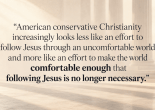
Thanks, God…We’ll Take It From Here
Jesus taught his followers how to live faithfully through trouble, discomfort and cultural uncertainty. American conservative Christianity increasingly treats those conditions as evidence that Christians have failed to acquire enough political power.
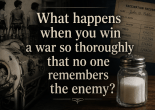
What Happens When Nobody Remembers the Enemy?
Why is iodine added to table salt? That random question led me from goiters to polio, MMR vaccines, water fluoridation and a larger question:
What happens when we win a war so thoroughly that nobody remembers the enemy?
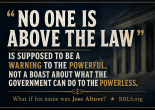
What If His Name Were José Altuve?
When ICE detained Venezuelan baseball coach Oswaldo Pirela, DHS declared that “no one is above the law.” Pirela isn’t José Altuve.
But, that’s precisely the point.
An ICE detention involving a Venezuelan baseball coach raises uncomfortable questions about immigration, humanity, government power, and why we care differently when the person involved is someone we already consider one of us.
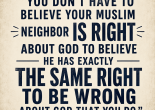
The Same Right to Be Wrong About God
You don’t have to believe your Muslim neighbor is right about God to believe he has exactly the same right to be wrong about God that you do.
When religious disagreement becomes an argument about who belongs in America, we’ve crossed an important line.
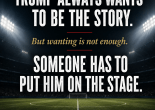
Someone Had to Let Trump onto the Field
Donald Trump has never encountered a stage he didn’t want to occupy. But getting onto the stage requires someone to open the door.
The relationship between Trump and FIFA president Gianni Infantino offers a revealing lesson about power, institutional responsibility and what happens when institutions finally decide to say no.
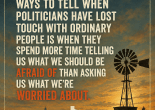
The Winds May Be Changing in Texas—but It’s Not Because the Oil Patch Went Woke
New polling shows Greg Abbott and Dan Patrick in surprisingly tight races.
Are Texas voters suddenly turning blue?
I’m not convinced. Maybe something simpler is happening: politicians who have dominated the state for decades have become better at fighting culture wars than listening to what ordinary Texans are actually worried about.
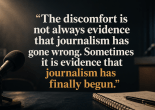
Your Dog Isn’t on the Ballot: Why Independent Journalism Matters
The best political journalists are not trying to defeat candidates.
They are trying to keep unsupported claims, convenient contradictions and political propaganda from reaching the public unchallenged.
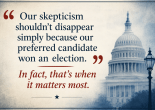
When Skepticism Picks a Favorite
The tragic shooting of Johan Sebastián Guerrero prompted difficult questions about transparency and accountability. But it also led me to ask a larger question: Why do so many people who once distrusted government now seem willing to trust it when their preferred leader is in charge?
When Deportation Needs a Villain
Daniel Adongo may have been legally removable. But why did ICE also need to portray the former NFL player as a dangerous menace whose deportation made America safer?
When your actions are based on lies, you never have enough lies to explain away your actions.
Before the Orders Are Given
A military awards ceremony became something far more personal when I realized the young soldier in the video would never come home. A reflection on service, sacrifice, and accountability.

